2026 한국식물분류학회
특별 심포지엄:통합 분류학적 AI를 향해서 Toward Integrative Taxonomic AI
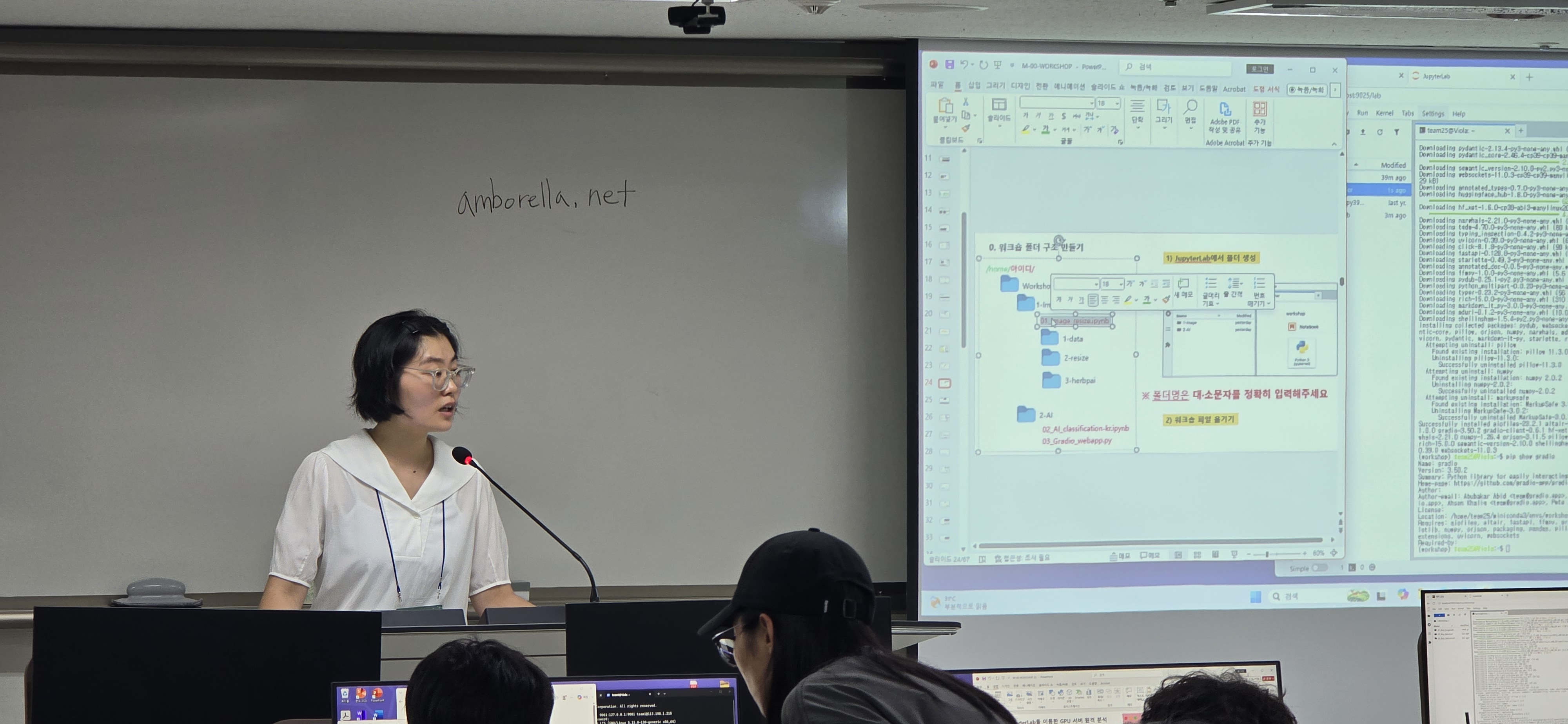
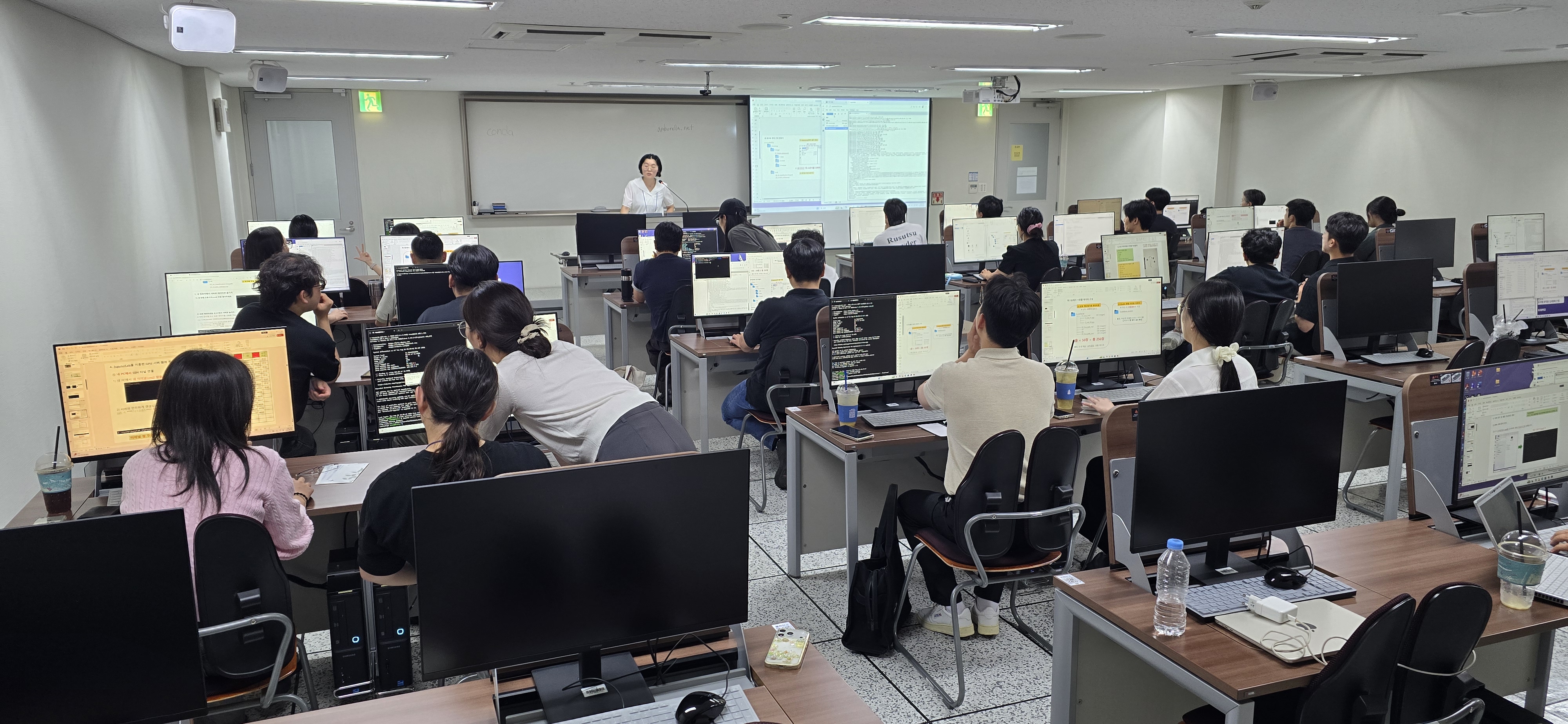
워크숍: AI 기반 식물표본 이미지 동정 AI-based Identification of Herbarium Images
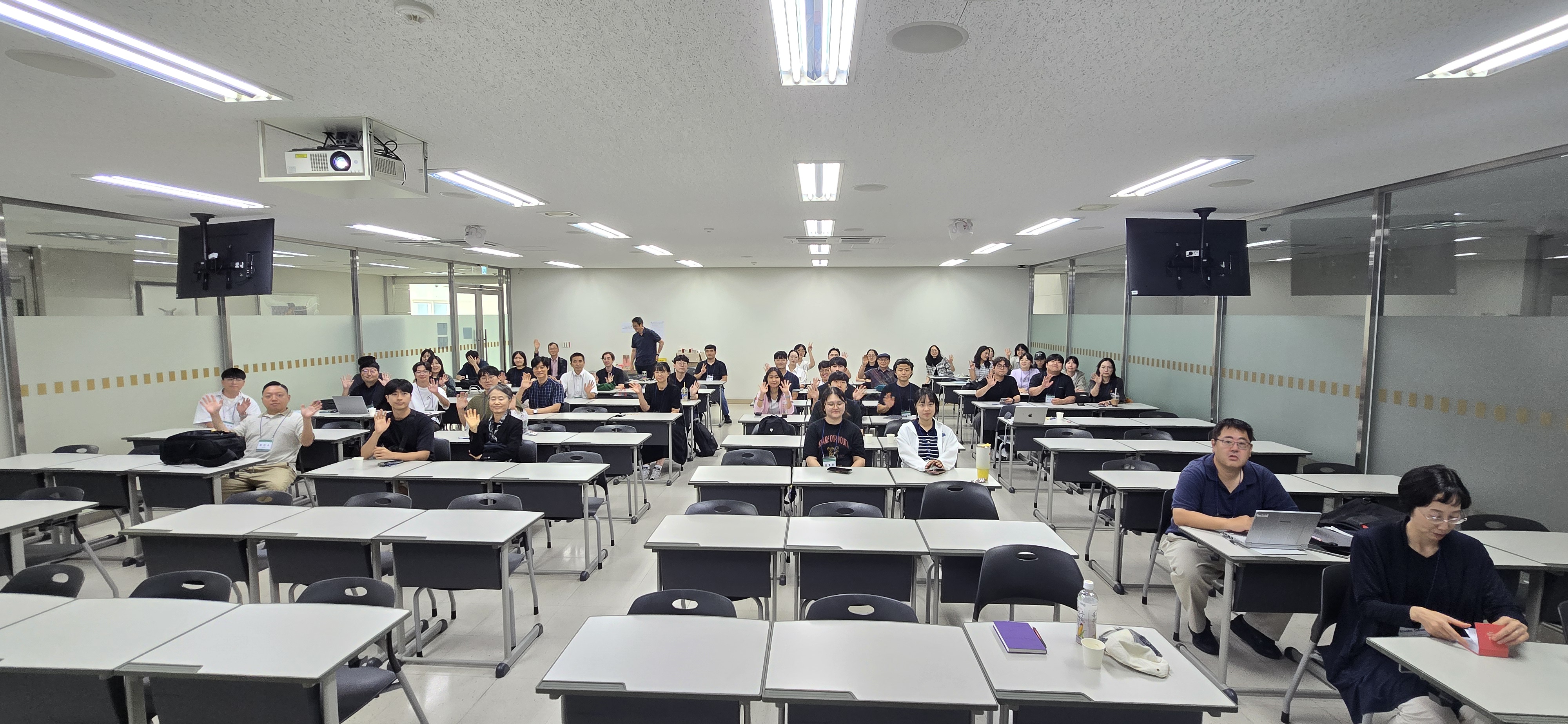
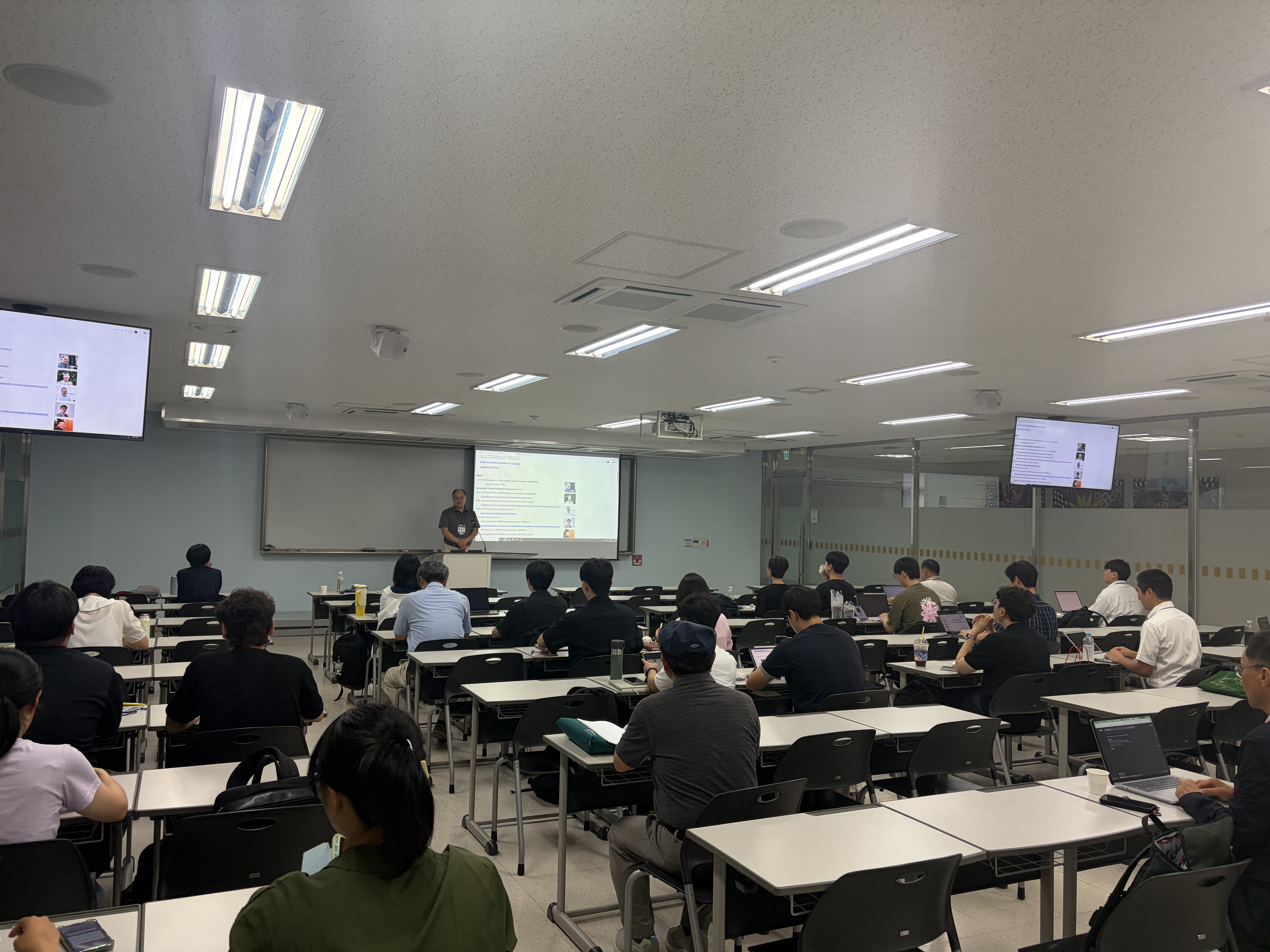
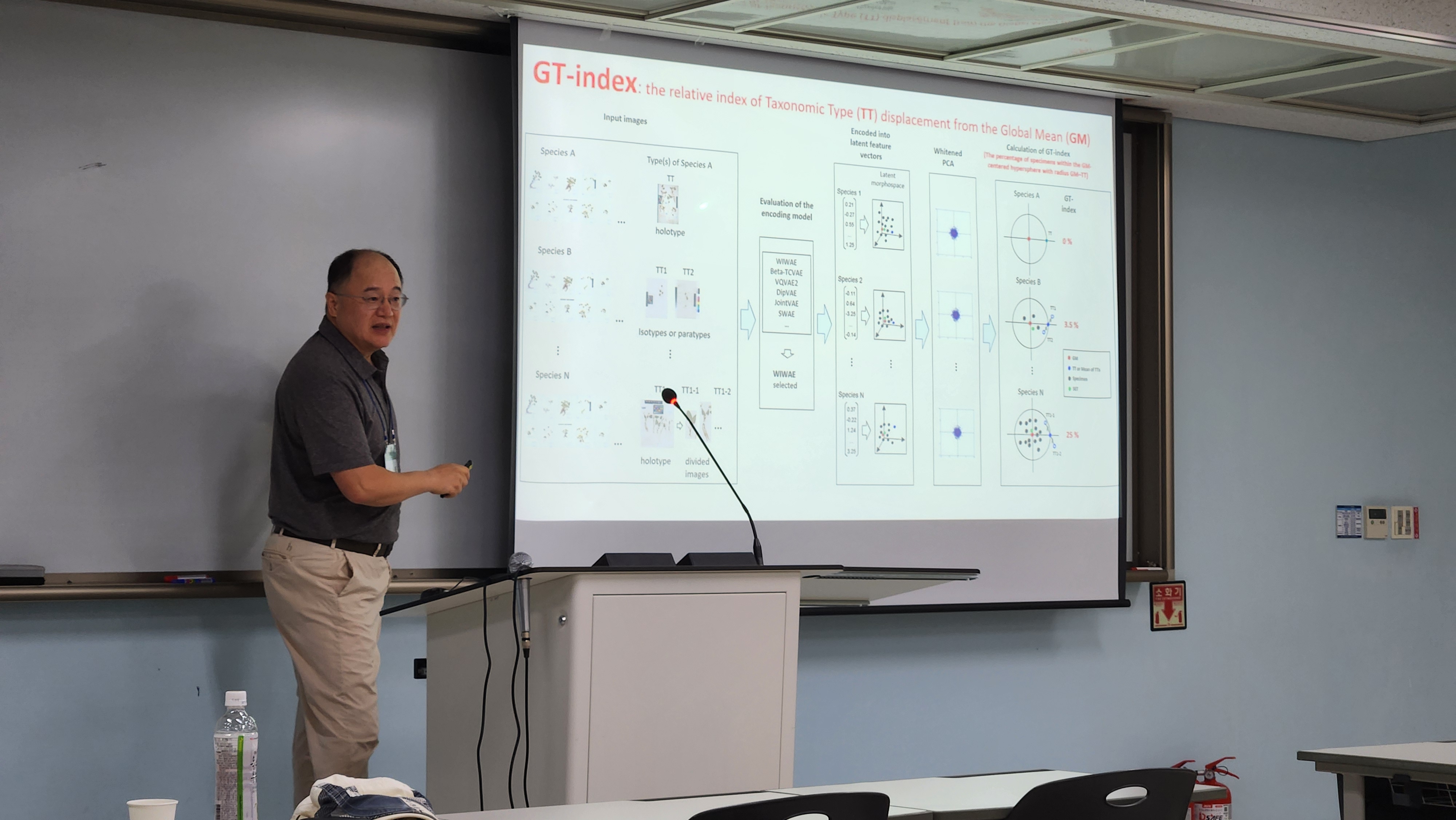
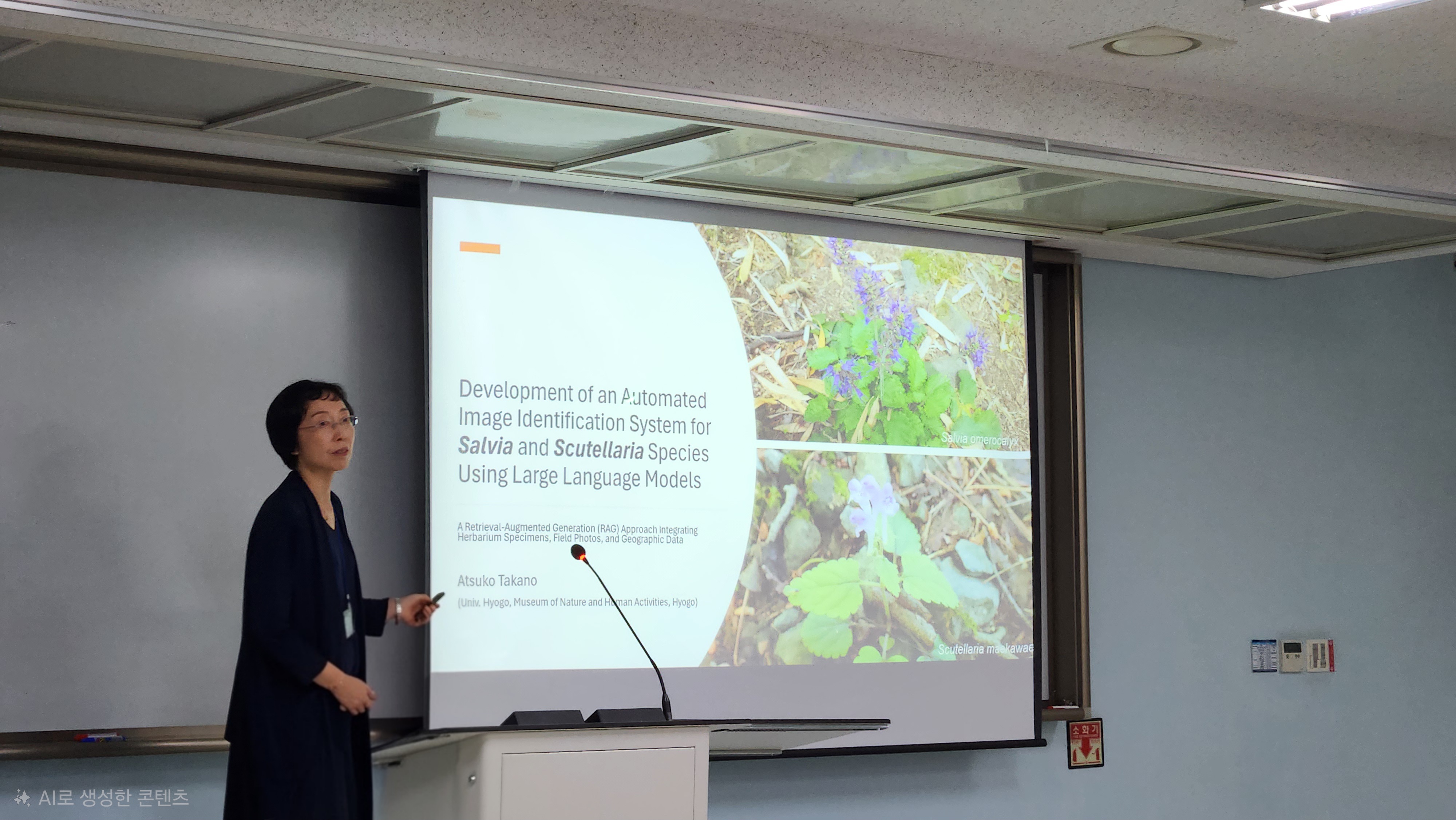
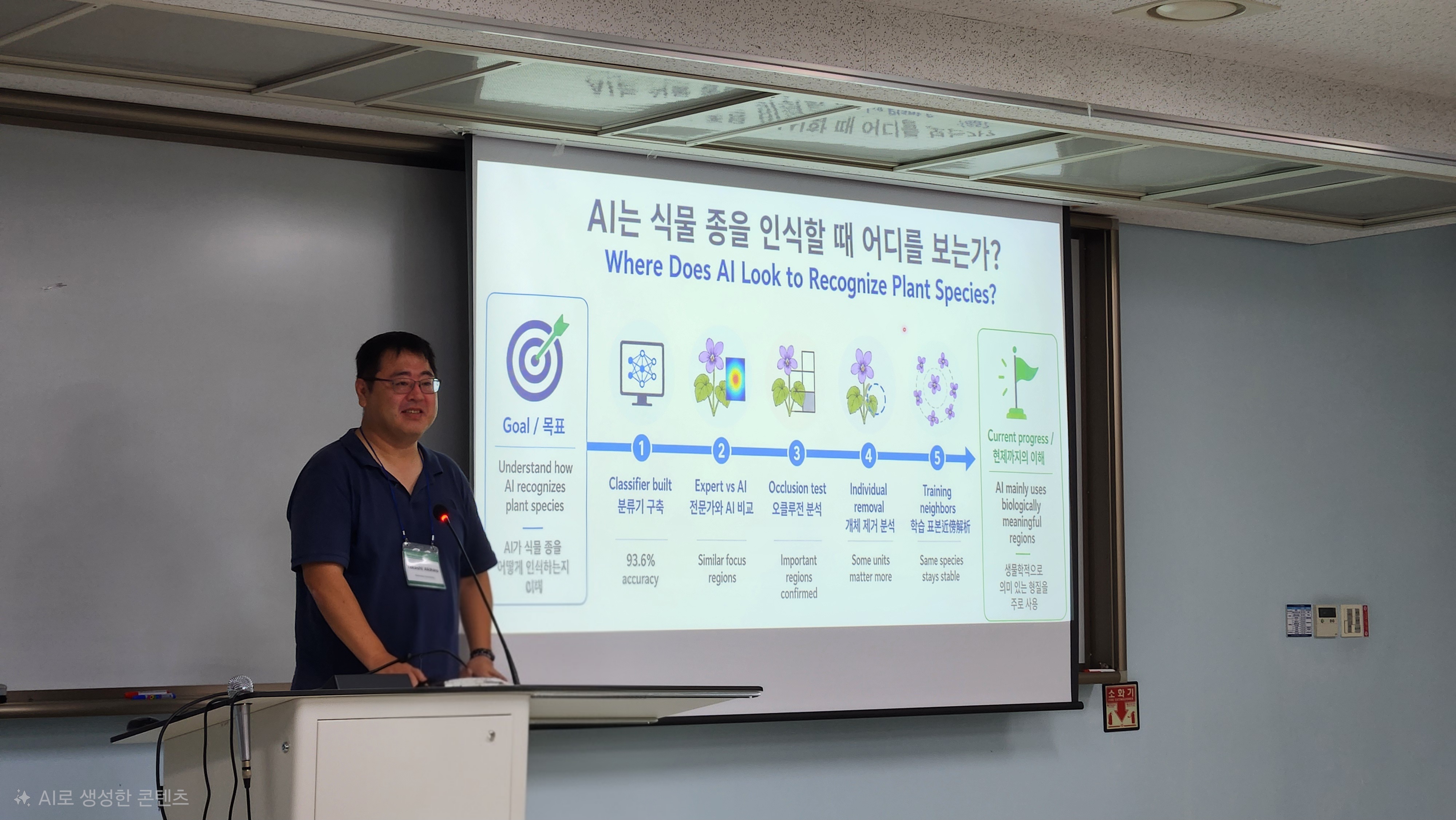
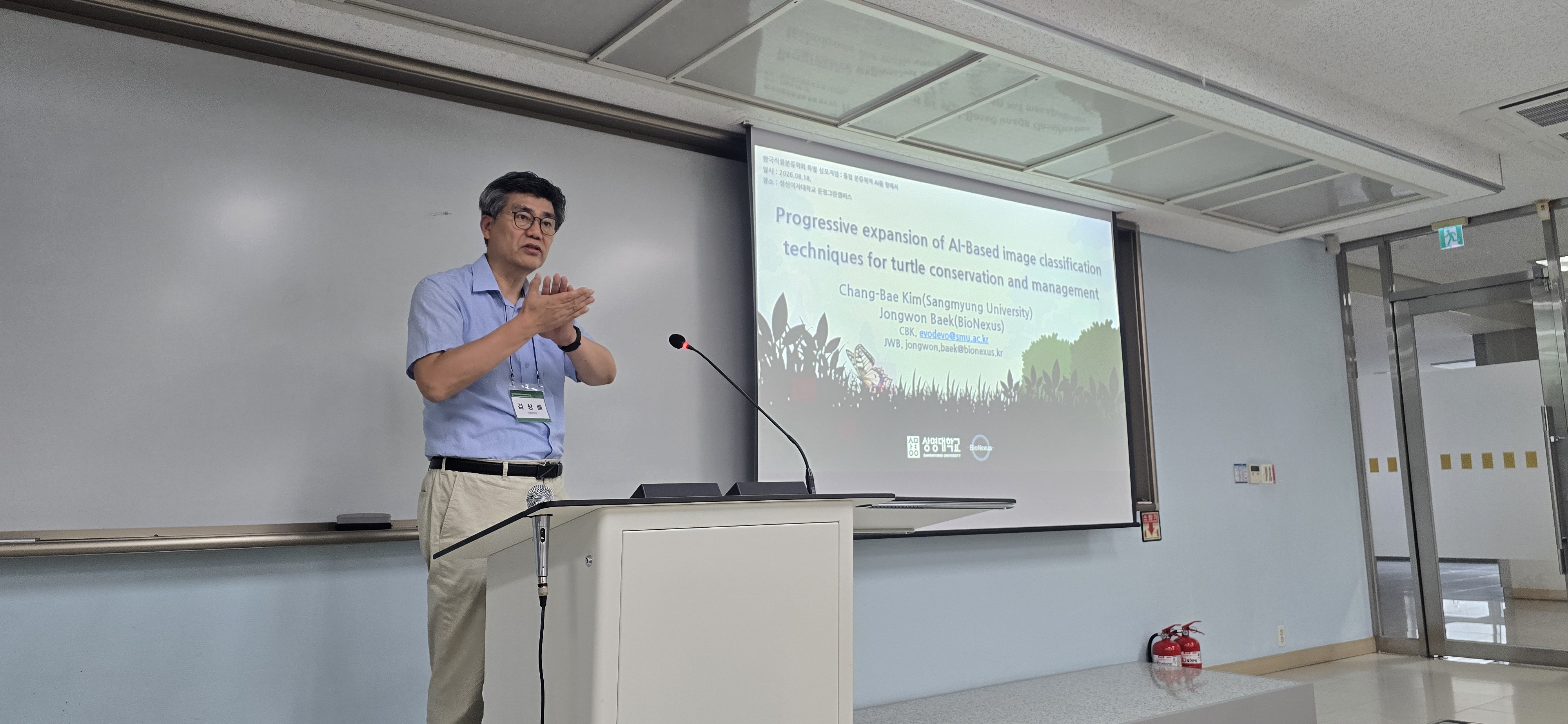
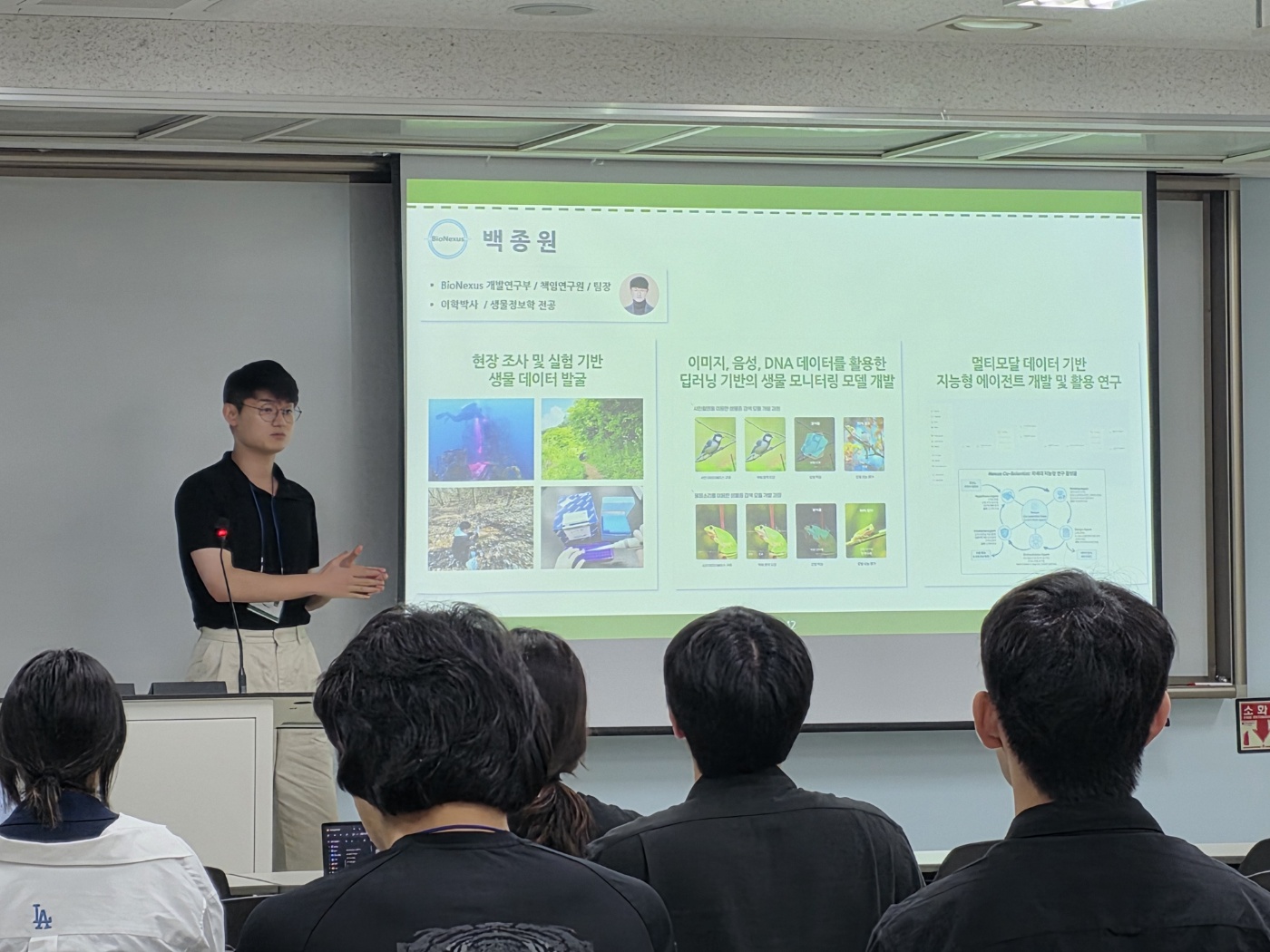
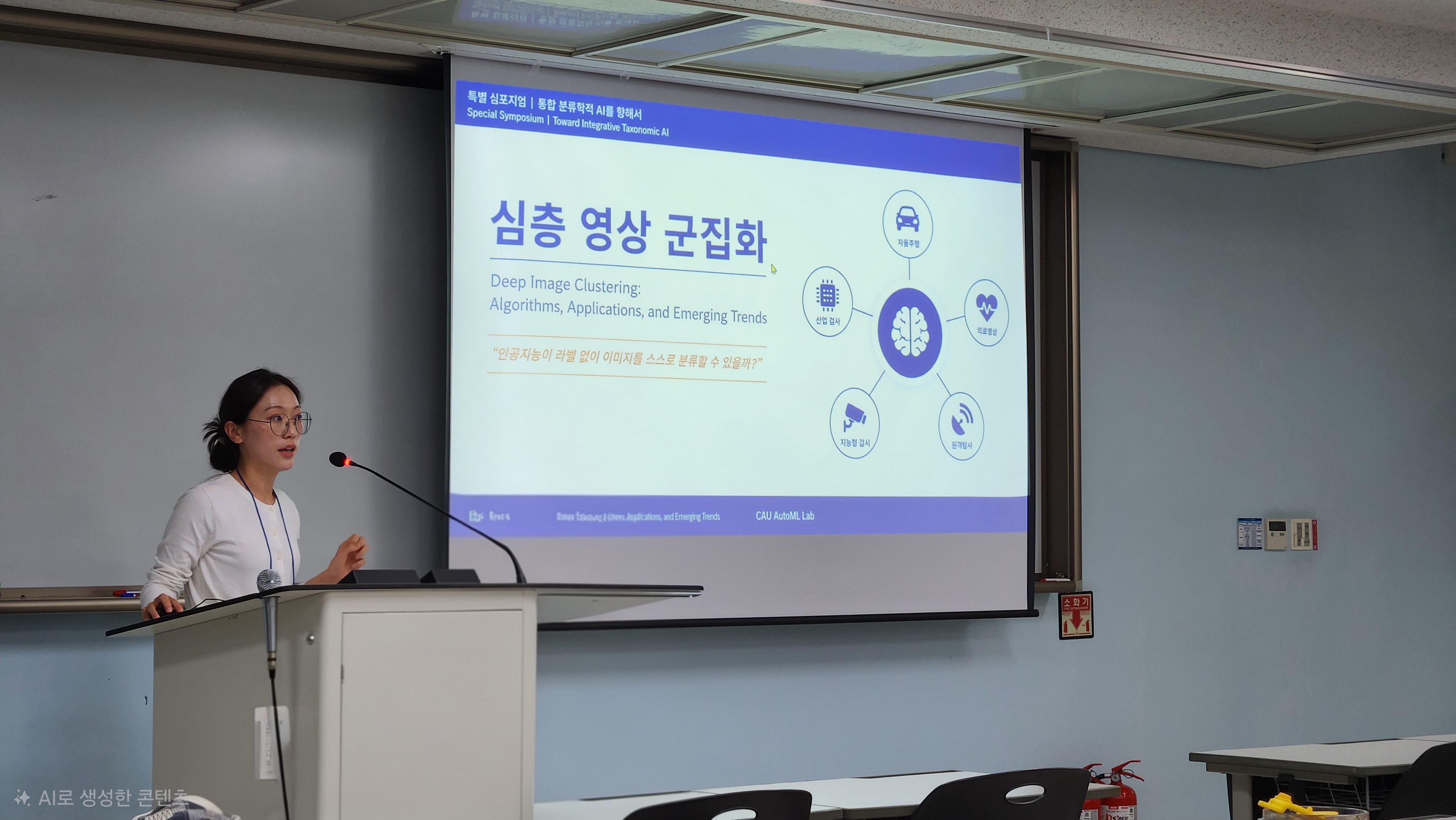
최근 식물분류학과 생물다양성 연구에서는 디지털 식물표본 이미지와 인공지능 기술의 활용이 빠르게 확대되고 있습니다. 고해상도 표본 이미지는 종 동정, 형태 분석, 표본관 자료 재검토, 기후변화 연구 등에 활용될 수 있는 중요한 연구 자원입니다. 이에 2026년 여름, 한국연구재단 한일공동연구 프로젝트와 한국식물분류학회의 후원으로 분류학에서 AI의 이용에 대한 특별 심포지엄과 워크숍을 개최합니다. 참가자들은 AI 활용 가능성을 살펴보고, 이미지 전처리, 모델 학습 및 추론, 결과 해석, 웹사이트 구축 과정을 실습하게 됩니다. 국제 심포지엄이기는 하지만, 대한민국 연사들은 한국어로, 일본 연사님들은 영어로 발표가 진행됩니다.
-
일시: 2026년 8월 18일 9:00~16:30
-
장소: 성신여자대학교 운정그린캠퍼스 C207, B-109 PC실
<Workshop: AI-based Identification of Herbarium Images> B-109 PC room
진행: Sangtae Kim / 김상태, Hyeonji Moon / 문현지, Se-Eun Jung / 정세은 (Sungshin Women’s University / 성신여자대학교)
Sujeong Han / 한수정 (Chung-Ang University / 중앙대학교)
워크숍 자료 PPT 다운로드 워크숍자료 PDF (바로보기)
사용할 script 파일들 다운로드
분류군을 지정하지 않은 분들을 위한 Viola 학습 data 다운로드 Viola 추론 data 다운로드
14:00–14:30 Introduction to the Overall Workshop Process
워크숍 전체 과정 소개
14:30–15:00 Checking Computer Settings and Personal Preparation
개인 컴퓨터 환경설정 점검 및 실습 준비
15:00–15:30 Preprocessing (HerbPAI) and AI Model Training
전처리(HerbPAI) and AI 모델학습
15:30–16:00 Interpretation of Results, Model Inference, and Website Construction
결과 해석, 모델 추론, 및 웹사이트 구축
16:00–16:30 Q & A
질의 응답
식물표본 AI 분석 관련 참고문헌
Al-Shamayleh AS, Ibrahim RW (2025) Grapevine
disease detection using (q,τ)-nabla calculus quantum deformation with deep
learning features. MethodsX 15:103619. doi: 10.1016/j.mex.2025.103619
Ariouat H, Pimpare EP, Chenin E et al
(2025a) Interpretable deep learning for
botanical traits: a comparative study on the role of segmentation in herbarium
image analysis. Procedia Comput Sci 270:3738–3747
Ariouat H, Sklab Y, Prifti E et al (2025b)
Enhancing plant morphological trait identification in herbarium collections
through deep learning–based segmentation. Appl Plant Sci 13:e70000. doi:
10.1002/aps3.70000
Arno J, Morel J, Rasaminirina F et al (2025)
A pipeline to compile expert‐verified datasets of digitised herbarium specimens
for automated plant identification to accelerate taxonomy. Plants People
Planet. doi: 10.1002/ppp3.70149
Baek Y, Lee B, Han D et al (2019) Character
region awareness for text detection. In: Proc IEEE/CVF Conf Comput Vis Pattern
Recognit, 9365–9374
Bateux Q, Koss J, Sweeney PW et al (2025)
Improving the accuracy of automated labeling of specimen images datasets via a
confidence-based process. PLoS Comput Biol 21:e1013650
Bebber DP, Carine MA, Wood JPI et al (2010)
Herbaria are a major frontier for species discovery. Proc Natl Acad Sci USA
107:22169–22171. doi: 10.1073/pnas.1011841108
Belhumeur PN, Chen D, Feiner S et al (2008)
Searching the world's herbaria: a system for visual identification of plant
species. In: Forsyth D, Torr P, Zisserman A (Eds.): ECCV 2008, part IV, LNCS
5305, 116–129
Bissacco A, Cummins M, Netzer Y, Neven H
(2013) Photoocr: reading text in uncontrolled conditions. In: Proc IEEE Int
Conf Comput Vis, 785–792
Blanco M, Ruiz-Santaquiteria J, Cristóbal G
et al (2025) Multimodal deep learning for cyanobacteria classification: a
fusion of CNN and transformer architectures. Aquat Ecol 59:1319–1339
Budd GE (2021) Morphospace. Curr Biol
31:R1141–R1185
Carranza-Rojas J, Goëau H, Bonnet P et al
(2017) Going deeper in the automated identification of herbarium specimens. BMC
Evol Biol 17:181
Carranza-Rojas J, Joly A, Goëau H et al
(2018) Automated identification of herbarium specimens at different taxonomic
levels. In: Multimedia Tools and Applications for Environmental &
Biodiversity Informatics, Springer, 151–167
Cavanagh H, Mosbach A, Scalliet G et al
(2021) Physics-informed deep learning characterizes morphodynamics of Asian
soybean rust disease. Nat Commun 12:6424
Chagi K, Kawai H (2025) Deciphering
handwritten herbarium specimen labels using vision-language models. Poster
session abstract (P2-184), Ecol Soc Japan 72nd annual meeting.
https://esj.ne.jp/meeting/abst/72/P2-184.html (in Japanese)
Chen X, Wang X, Changpinyo S et al (2021) How
to train your ViT? Data, augmentation, and regularization in vision
transformers. arXiv:2106.10270 doi: 10.48550/arXiv.2106.10270
Christiansen P, Nielsen LN, Steen KA et al
(2016) DeepAnomaly: combining background subtraction and deep learning for
detecting obstacles and anomalies in an agricultural field. Sensors 16:1904.
doi: 10.3390/s16111904
Chulif S, Lee SH, Chang YL, Chai KC (2023) A
machine learning approach for cross-domain plant identification using herbarium
specimens. Neural Comput Appl 35:5963–5985
Colutto S, Kahle P, Guenter H, Muehlberger G
(2019) Transkribus. A platform for automated text recognition and searching of
historical documents. In: Proc 15th Int Conf eScience, 463–466
d'Ascoli S, Touvron H, Leavitt M et al (2021)
ConViT: Improving vision transformers with soft convolutional inductive biases.
arXiv:2103.10697 doi: 10.48550/arXiv.2103.10697
Davis CC, Champ J, Park DS et al (2020) A new
method for counting reproductive structures in digitized herbarium specimens
using Mask R-CNN. Front Plant Sci 11:1129
de Lutio R, Park JY, Watson KA et al (2022)
The Herbarium 2021 Half-Earth Challenge dataset and machine learning
competition. Front Plant Sci 12:787127
Deng J, Guo J, Liu T et al (2020) Sub-center arcface:
Boosting face recognition by large-scale noisy web faces. In: Vedaldi A,
Bischof H, Brox T, Frahm JM (eds) European Conference on Computer Vision.
Springer, Cham, pp 741–757
Dosovitskiy A, Lucas B, Kolesnikov A et al (2021) An
image is worth 16x16 words: transformers for image recognition at scale.
arXiv:2010.11929 doi: 10.48550/arXiv.2010.11929
Drinkwater R, Cubey RWN, Haston E (2014) The
use of Optical Character Recognition (OCR) in the digitisation of herbarium
specimen labels. PhytoKeys 38:15–30. doi: 10.3897/phytokeys.38.7168
Edwards M, Morse DR (1995) The potential for
computer-aided identification in biodiversity research. Trends Ecol Evol
10:153–158
Fadilah N, Mohamad-Saleh J, Abdul Halim Z et
al (2012) Intelligent Color Vision System for Ripeness Classification of Oil
Palm Fresh Fruit Bunch. Sensors 12:14179–14195. doi: 10.3390/s121014179
Geronimo JO, Arguelles EDLR, Abriol-Santos
KJM (2023) Automated Classification and Identification System for Freshwater
Algae Using Convolutional Neural Networks. Philipp J Sci 152:325–335. doi:
10.56899/152.01.25
Goëau H, Mora‐Fallas A, Champ J et al (2020)
A new fine‐grained method for automated visual analysis of herbarium specimens:
a case study for phenological data extraction. Appl Plant Sci 8:e11368. doi:
10.1002/aps3.11368
Goyal SR, Kulkarni VS, Choudhary R, Jain R
(2025) A comparative analysis of efficacy of machine learning techniques for
disease detection in some economically important crops. Crop Prot 190:107093.
doi: 10.1016/j.cropro.2024.107093
Guo YY, Cai H, Bramley GL et al (2025) A
review of artificial intelligence in herbarium specimen image analysis. Art
Intell Rev 58:402
Guralnick RP, Lafrance R, Allen JM, Denslow
MW (2025) Ensemble automated approaches for producing high-quality herbarium
digital records. Appl Plant Sci 13:e11623
Hackel J, Imhof S, Zizka A (2026) Teaching
plant identification at a university in the age of artificial intelligence.
Plants People Planet 8:20–25
Han S, Moon H, Lee S et al (2026) A survey of
neural network segmentation and validation on plant specimen images of Korean
Violaceae. Expert Syst Appl 296:128909
Hart R, Salick J, Ranjitkar S, Xu J (2014)
Herbarium specimens show contrasting phenological responses to Himalayan
climate. Proc Natl Acad Sci USA 111:10615–10619. doi: 10.1073/pnas.1403376111
He K, Zhang X, Ren S et al (2016) Deep
residual learning for image recognition. In: Proc IEEE Comput Soc Conf Comput
Vis Pattern Recognit (CVPR 2016), 770–778.
Heberling JM, Prather LA, Tonsor SJ (2019)
The changing uses of herbarium data in an era of global change: an overview
using automated content analysis. Bioscience 69:812–822. doi:
10.1093/biosci/biz094
Hollister JD, Martin G, Cai X et al (2025) A
computer vision method for finding mislabelled specimens within natural history
collections. Ecol Evol 15:e71648.
Hu Y, Hongchen Z, Changming L et al (2025)
Classification of maize seed hyperspectral images based on variable-depth
convolutional kernels. Front Plant Sci 16:1599231
Hussein BR, Malik OA, Ong W-H, Slik JWF
(2022) Application of computer vision and machine learning for digitized
herbarium specimens: a systematic literature review. Ecol Inform 69:101641.
doi: 10.1016/j.ecoinf.2022.101641
Hussein BR, Malik OA, Ong WH, Slik JWF (2021)
Automated extraction of phenotypic leaf traits of individual intact herbarium
leaves from herbarium specimen images using deep learning based semantic
segmentation. Sensors 21:4549. doi: 10.3390/s21134549
Javed H, Fahad LG, Tahir SF et al (2025)
Enhanced Plant Species Identification through Metadata Fusion and Vision
Transformer Integration. Comput Mater Contin 85:3981–3996. doi:
10.32604/cmc.2025.064359
Joly A, Pierre B, Goëau H et al (2016) A look
inside the Pl@ntNet experience. Multimed Syst 22. doi: 10.1007/s00530-015-0462-9
Kajihara AY, Queiroz GAD, Caxambú MG et al
(2025) A database for automatic identification of herbarium specimens in
Piperaceae family. Multimed Tools Appl 1–29
Karbstein K, Kösters L, Hodač L et al (2024)
Species delimitation 4.0: integrative taxonomy meets artificial intelligence.
Trends Ecol Evol 39:771–784
Katal N, Rzanny M, Mäder P, Wäldchen J (2022)
Deep learning in plant phenological research: a systematic literature review.
Front Plant Sci 13:805738
Kösters LM, Karbstein K, Hofmann M et al
(2025) Data fusion for integrative species identification using deep learning.
Syst Biol syaf026. doi: 10.1093/sysbio/syaf026
Kumar N, Belhumeur PN, Biswas A et al (2012)
Leafsnap: a computer vision system for automatic plant species identification.
In: Fitzgibbon A, Lazbnik S, Perona P et al (eds) Computer Vision – ECCV 2012.
LNCS 7573. Springer, Berlin, Heidelberg. doi: 10.1007/978-3-642-33709-3_36
Lee S, Moon H, Kim S, Lee J (2025) Multiple
kernel-enhanced encoder for effective herbarium image segmentation. Electron
Lett 61:e70155. doi: 10.1049/ell2.70155
Lesperance N, Ratnasingham S, Taylor G (2025)
Taxonomic Reasoning for Rare Arthropods: Combining Dense Image Captioning and
RAG for Interpretable Classification. arXiv:2503.10886 doi: 10.48550/arXiv.2503.10886
Lhayani K, Rabeh K, Medraoui L (2025) Deep
learning for Fabaceae identification by integrating molecular and morphological
data and a solution for barcode selection. J Syst Evol. doi: 10.1111/jse.70021
Li B, Xia R, Li J et al (2025) Multimodal
deep learning with hyperspectral imaging for accurate origin classification of
wolfberries. Food Chem X 31:103166
Li M, Lv T, Chen J et al (2023) Trocr:
transformer-based optical character recognition with pre-trained models. In:
Proc AAAI Conf Artif Intell, 37(11): 13094–13102. doi:
10.1609/aaai.v37i11.26538
Li W, Tojibaev KS, Hisoriev H et al (2020)
Mapping Asia Plants: Current status of floristic information for Central Asian
flora. Glob Ecol Conserv 24:e01220
Li Y, Zhao D, Qiao T et al (2025) MetaWild: A
Multimodal Dataset for Animal Re-Identification with Environmental Metadata.
In: Proc ACM Int Conf Multimed, 13009–13015. doi: 10.1145/3746027.3758249
Li Y, Zou D, Shrestha N et al (2020)
Spatiotemporal variation in leaf size and shape in response to climate. J Plant
Ecol 13:87–96
Little DP, Aguero B, Shaw AJ, Tessler M
(2025) AI for difficult herbarium specimens: identification of peat mosses
(subgenus Sphagnum) without dissection. New Phytol. doi 10.1111/nph.70461
Little DP, Tulig M, Tan KC et al (2020) An
algorithm competition for automatic species identification from herbarium
specimens. Appl Plant Sci 8:e11365
Liu C, Liu W, Lu X et al (2014) Application
of multispectral imaging to determine quality attributes and ripeness stage in
strawberry fruit. PLoS ONE 9:e87818. doi: 10.1371/journal.pone.0087818
Lorieul T, Pearson KD, Ellwood ER et al
(2019) Toward a large‐scale and deep phenological stage annotation of herbarium
specimens: Case studies from temperate, tropical, and equatorial floras. Appl
Plant Sci 7:e01233. doi: 10.1002/aps3.1233
Luo H, Zhang X, Yuan F et al (2025) MOSSNet:
a lightweight dual-branch multi-scale attention neural network for bryophyte
identification. Symmetry 17:347. doi: 10.3390/sym17030347
Mäder P, Boho D, Rzanny M et al (2021) The
flora incognita app–interactive plant species identification. Methods Ecol Evol
12:1335–1342
Manolache G, Schouten G, Vanschoren J (2025)
CrypticBio: A Large Multimodal Dataset for Visually Confusing Species.
arXiv:2505.14707 doi: 10.48550/arXiv.2505.14707
Marcos D, van de Vlasakker R, Athanasiadis IN
et al (2025) Fully automatic extraction of morphological traits from the web:
Utopia or reality?. Appl Plant Sci 13:e70005. doi: 10.1002/aps3.70005
Masuda H, Jukei T, Hasegawa T (2020) Fish
species identification using a CNN-based multimodal learning method. In: Proc
International Conference on Image, Video and Signal Processing (IVSP), 15–19.
doi: 10.1145/3388818.3389164
Meineke EK, Classen AT, Sanders NJ, Davies TJ
(2019) Herbarium specimens reveal increasing herbivory over the past century. J
Ecol 107:105–117. doi: 10.1111/1365-2745.13057
Meineke EK, Tomasi C, Yuan S, Pryer KM (2020)
Applying machine learning to investigate long-term insect–plant interactions
preserved on digitized herbarium specimens. Appl Plant Sci 8:e11369
Mir TA, Bharany S, Gupta R et al (2025)
Hybrid Deep Learning Model for Date Palm Disease Classification: A Fusion of
HybridConv Mixer and Vision Transformer. Food Sci Nutr 13:e71086. doi:
10.1002/fsn3.71086
Morse LE (1971) Specimen identification and
key construction with time-sharing computers. Taxon 20:269–282
Myers N, Mittermeier RA, Mittermeier CG et al
(2000) Biodiversity hotspots for conservation priorities. Nature 403:853–858
Nainia A, Vignes-Lebbe R, Chenin E et al
(2024) FloraNER: A new dataset for species and morphological terms named entity
recognition in French botanical text. Data Brief 56:110824. doi:
10.1016/j.dib.2024.110824
Nelson G, Ellis S (2019) The history and
impact of digitization and digital data mobilization on biodiversity research.
Phil Trans R Soc B 374:2017391. doi: 10.1098/rstb.2017.0391
Ong CA, Tay FS, Then YL, McCarthy C (2025) An
evaluation of a pre-trained transformer-based self-distillation model (DINOv2)
for cross-domain plant species identification. Neural Comput Appl
37:21969–21995
Ott T, Palm C, Vogt R, Oberprieler C (2020)
GinJinn: an object-detection pipeline for automated feature extraction from
herbarium specimens. Appl Plant Sci 8:e11351
Pankhurst RJ (1991) Practical taxonomic
computing. Cambridge University Press, Cambridge
Park J, de Lutio R, Rappazzo B et al (2024)
NAFlora-1M: continental-scale high-resolution fine-grained plant classification
dataset. J Data-Centric Mach Learn Res 1:1–21
Radford A, Kim J, Hallacy C (2021) Learning
transferable visual models from natural language supervision. In: Proceedings
of the 38th International Conference on Machine Learning (ICML 2021), PMLR 139:
8748–8763
Raman R, Jayaraman S (2025) Artificial
intelligence for sustainable farming with dual branch convolutional graph
attention networks in rice leaf disease detection. Sci Rep 15:10595. doi:
10.1038/s41598-025-94891-5
Raup DM (1966) Geometric analysis of shell
coiling: general problems. J Paleontol 40:1178–1190
Renner S (2025) Linking to images and
AI-based identification tools- The only way for flora projects to survive.
Plants People Planet. doi: 10.1002/ppp3.70131
Pearson KD, Nelson G, Aronson MF et al (2020)
Machine learning using digitized herbarium specimens to advance phenological
research. BioScience 70:610-620
Russakovsky O, Deng J, Su H et al (2015)
ImageNet large scale visual recognition challenge. Int J Comput Vis
115:211–252. doi: 10.1007/s11263-015-0816-y
Sadek J, Vlachidis A, Pickering V et al
(2024) Leveraging OCR and HTR cloud services towards data mobilisation of
historical plant names. Int J Digit Humanit 6:237–261. doi:
10.1007/s42803-024-00091-4
Sahraoui M, Sklab Y, Pignal M et al (2023)
Leveraging multimodality for biodiversity data: exploring joint representations
of species descriptions and specimen images using CLIP. Biodiver Inf Sci Stand
7:e112666
Sastry S, Khanal S, Dhakal A et al (2025)
TaxaBind: A unified embedding space for ecological applications. In: IEEE
Winter Conf Appl Comput Vis, 1765–1774. doi: 10.1109/WACV61041.2025.00179
Schmidt-Lebuhn AN, Knerr N (2025) Large
Language Models can extract morphological data from taxonomic descriptions, but
their stochastic nature makes automation challenging: a test on Australian
Asteraceae. PhytoKeys 261:189–210
Selvaraju RR, Cogswell M, Das A et al (2017)
Grad-cam: visual explanations from deep networks via gradient-based
localization. In: Proc IEEE Int Conf Comput Vis, 618–626
Shirai M, Takano A, Kurosawa T et al (2022)
Development of a system for the automated identification of herbarium specimens
with high accuracy. Sci Rep 12:8066
Sklab Y, Castanet F, Ariouat H et al (2025)
PlantSAM: an object detection‐driven segmentation pipeline for herbarium
specimens. Appl Plant Sci e70034. doi: 10.1002/aps3.70034
Sladojevic S, Arsenovic M, Anderla A et al
(2016) Deep neural networks based recognition of plant diseases by leaf image
classification. Comp Intell Neurosci 2016:3289801
Soltis PS, Nelson G, Zare A et al (2020) Plants meet machnes: prospects in
machine learning for plant biology. Appl
Plant Sci 8:e11371. doi:10.1002/aps3.11371
Sokolova M, Lapalme G (2009) A systematic
analysis of performance measures for classification tasks. Inf Process Manag
45: 427–437. doi: 10.1016/j.ipm.2009.03.002
Stenhouse A, Thrall PH (2025) SpeciMate:
improving metadata extraction from digitised biological specimens. Biodiv Data
J 13:e160553
Sun J, Liu B, Rustiami H et al (2024) Mapping
Asia plants: Plant diversity and a checklist of vascular plants in Indonesia.
Plants 13:2281
Szegedy C, Liu W, Jia Y et al (2015) Going
deeper with convolutions. In: Proc IEEE Conf Comput Vis Pattern Recognit, 1–9
Takano A, Cole TCH, Konagai H (2024) A novel
automated label data extraction and database generation system from herbarium
specimen images using OCR and NER. Sci Rep 14:112
Takano A, Horiuchi Y, Fujimoto Y et al
(2019). Simple but long-lasting: A specimen imaging method applicable for
small-and medium-sized herbaria. PhytoKeys 118:1–14
Takano et al. (2026) Herbarium specimens in the age of artificial intelligence: from herbarium image identification to integrative taxonomic AI. Journal of Plant Research In Press.
Tan KC, Liu Y, Ambroose B et al (2019) The
Herbarium Challenge 2019 dataset. arXiv:1906.05372 doi:
10.48550/arXiv.1906.05372
Tan M, Le QV (2019) EfficientNet: Rethinking
model scaling for convolutional neural networks. In: Proc Mach Learn Res,
97:6105–6114
Tessler M, Little DP (2025) On herbarium
specimen images and artificial intelligence. New Phytol. doi: 10.1111/nph.70312
Thiers BM (2024) Strengthening partnerships
to safeguard the future of herbaria. Diversity 16:36
Thiers BM (2025) The World's herbaria 2024: a
summary report based on data from Index Herbariorum. Technical Report, William
and Lynda Steere Herbarium, New York Botanical Garden. https://sweetgum.nybg.org/science/wp-content/uploads/2025/01/TheWorldHerbaria2024-.pdf
(Accessed November 21 2025)
Tietje M, Antonelli A, Forest F et al (2023)
Global hotspots of plant phylogenetic diversity. New Phytol 240:1636–1646
Topaloglu F, Kiziloluk S, Sert E, Yildirim M
(2025) Automatic detection of harmful cyanobacterial genera using deep CNN
models and artemisinin optimization. Sci Rep 15:33824
Triki A, Bouaziz B, Mahdi W (2022a) A deep
learning-based approach for detecting plant organs from digitized herbarium
specimen images. Ecol Inform 69:101590
Triki A, Bouaziz B, Mahdi W et al (2022b)
Deep learning based approach for digitized herbarium specimen segmentation.
Multimed Tools Appl 81:28689–28707. doi: 10.1007/s11042-022-12711-6
Turnbull R, Fitzgerald E, Thompson KM, Birch
JL (2025) Hespi: A pipeline for automatically detecting information from
herbarium specimen sheets. BioScience 75:637–648
Vaishnav M, Fel T, Rodríguez IF, Serre T
(2022) Conviformers: convolutionally guided vision transformer.
arXiv:2208.08900 doi: 10.48550/arXiv.2208.08900
Wäldchen J, Rzanny M, Seeland M, Mäder P
(2018) Automated plant species identification—Trends and future directions.
PLoS Comput Biol 14:e1005993
Wang H, Soejima A, Chang Ks, Ma K (2020)
Mapping Asia plants: Current status of floristic information for Northeast
Asia. Glob Ecol Conserv 24:e01321
Wang SQ, Dong XY, Ye L et al (2023) Flora of
Northeast Asia. Plants 12:2240
Weaver WN, Ng J, Laport RG (2020)
LeafMachine: using machine learning to automate leaf trait extraction from
digitized herbarium specimens. Appl Plant Sci 8:e11367
Weaver WN, Smith SA (2023) From leaves to
labels: building modular machine learning networks for rapid herbarium specimen
analysis with LeafMachine2. Appl Plant Sci 11:e11548
Wen X, Liu Q, Xuanyuan T et al (2025) A
lightweight convolutional neural network for tea leaf disease and pest
recognition. Plant Methods 21. doi: 10.1186/s13007-025-01452-y
White AE, Dikow RB, Baugh M et al (2020)
Generating segmentation masks of herbarium specimens and a data set for training
segmentation models using deep learning. Appl Plant Sci 8:e11352. doi:
10.1002/aps3.11352
White S, Feiner S, Kopylec J (2006) Virtual
vouchers: Prototyping a mobile augmented reality user interface for botanical
species identification. In: Proc IEEE Symp on 3DUI, 119–126
Wieczorek J, Bloom D, Guralnick R et al
(2012) Darwin core: an evolving community-developed biodiversity data standard.
PLoS ONE 7: e29715. doi: 10.1371/journal.pone.0029715
Wilde BC, Bragg JG, Cornwell W (2023) Analyzing trait–climate relationships within
and among taxa using machine learning and herbarium specimens. Am J Bot
110:e16167
Williamson DR, Prestø T, Westergaard KB et al
(2025) Long-term trends in global flowering phenology. New Phytol. doi:
10.1111/nph.70139
Wright IJ, Dong N, Maire V et al (2017)
Global climatic drivers of leaf size. Science 357:917–921
Wu H, Xiao B, Codella N. et al (2021) CvT: Introducing convolutions
into vision transformers. arXiv:2103.15808 doi: 10.48550/arXiv.2103.15808
Xiao C, Zhang Z, Ma K, Lin Q (2023) Mapping
Asia plants: Historical outline and review of sources on floristic diversity in
South Asia. Plants 12:1617
Xie G, Xuan J, Luo HR et al (2025) AI-based
identification of Chinese vascular plants from herbarium specimens: a tool for
all herbaria with Chinese holdings. New Phytol. doi: 10.1111/nph.70443
Xu X, Naqinezhad A, Ghazanfar SA et al (2020)
Mapping Asia plants: Current status on floristic information in Southwest Asia.
Glob Ecol Conserv 24:e01257
Xue J, Chepinoga VV, Liu Y, Ma K (2020)
Mapping Asia Plants: Historical outline and review of sources on floristic
diversity in North Asia (Asian Russia). Glob Ecol Conserv 24:e01287
Yang B, Zhang Z, Yang CQ et al (2022)
Identification of species by combining molecular and morphological data using
convolutional neural networks. Syst Biol 71:690–705
Younis S, Schmidt M, Weiland C et al (2020)
Detection and annotation of plant organs from digitised herbarium scans using
deep learning. Biodivers Data J 8:e57090
Younis S, Weiland C, Hoehndorf R et al (2018)
Taxon and trait recognition from digitized herbarium specimens using deep
convolutional neural networks. Bot Lett 165:377–383
Zhang Y, Ruofei B, Mengxin G et al (2025) A
lightweight deep convolutional neural network development for soybean leaf disease
recognition. Front Plant Sci 16. doi: 10.3389/fpls.2025.1655564
Zhou X, Yao C, Wen H et al (2017) East: an
efficient and accurate scene text detector. In: Proc IEEE Conf Comput Vis
Pattern Recognit, 5551–5560